
Choosing natural food colours for Different Product Categories
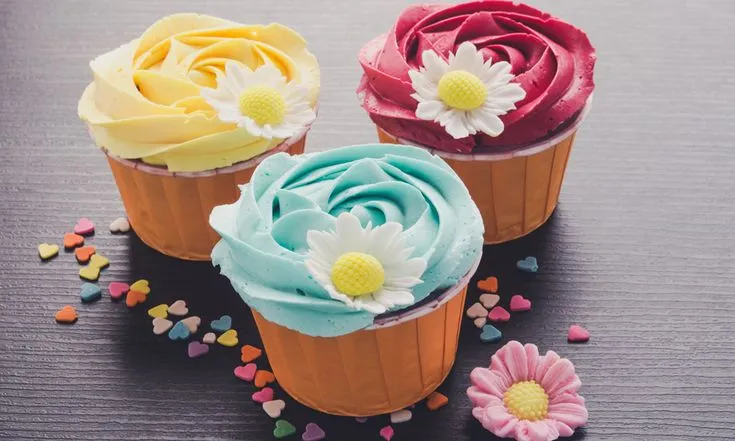
Food manufacturers can work with a variety of different products, and each category may have specific requirements when choosing a color. The color should match the product concept, be compatible with the product formulation, processing, and end product appearance. natural food coloursprovide a wide variety of naturally derived color options for food manufacturers to use in beverages, confectionery, dairy products, bakery products, sauces, desserts and more.
Start With Product Requirements
One of the first factors to take into consideration when choosing a natural color is the product category. The needs of a beverage can differ from those of an ice cream, candy, sauce, bakery product or powdered food mix.
Manufacturers can determine the desired shade, intensity, formulation type and production process prior to comparing ingredients available. This gives a good foundation to begin with in developing a product. If the flavor concept is important, the choice can be influenced. Bright colors can be used for fruit-inspired products; softer or warmer colors can be used for products from the dairy or bakery sector.
Explore Different Color Families
There are a variety of colors that can be achieved through naturally derived ingredients. Turmeric and annatto can provide the yellow/orange color, and beetroot and black carrot can provide the red/purple color.
The blue options of selected applications can be realized with ingredients from Spirulina. Other plant and botanical sources can increase the product developer’s options. Color family comparisons enable manufacturers to choose the appropriate ingredient not only for the visual aspect of the development, but for the whole development concept.
Understand the Role of a Natural Food Colorant
A natural food colorant should be assessed based on the food use. The source, format, concentration, formulation compatibility and processing conditions of the ingredient will all affect the finished appearance.
Food manufacturers can assess potential colorants in the actual food product to get a better idea of their performance in real-life food products. This is particularly important as certain ingredients can give different visual effects in various products. Application testing can then give a better foundation for the choice of an appropriate color solution.
Match Color with Beverages
There are many different colors available for use in beverages, depending on the flavor and concept of the product. Various colors can be used to enhance different beverage styles, with yellow, orange, red, purple and blue being used.
When creating a coloured drink, there are a number of aspects that should be taken into account by manufacturers, such as clarity, acidity, ingredient composition and processing conditions.
To know which shade will give the desired appearance, a small-scale trial can be used and the concentrations compared. Beverage product testing of the final product in the intended container can also give a good indication of how the product will look when finished.
Consider Confectionery Applications
Many ways can be found for natural color development in confectionery products. Various colors can be used for candies, gummies, coatings, fillings and other sweets to provide different flavors and to develop attractive product ranges.
Care should be taken to consider processing conditions during product development, as confectionery products may be heated, cooled, molded, coated or pass through other production steps. During the test, manufacturers can replicate these steps to gain insight into the performance of the selected color through the test process.
Evaluate Dairy and Frozen Products
Shades are needed when making creamy dairy products or frozen desserts, and careful consideration should be given to selecting the appropriate coloring for them. Colors can be soft pastels to stronger fruit-inspired shades for ice cream and flavored dairy products, desserts and more.
Colors may also be affected by the base formulation, and should be tested in the base of the product that it will be used in. Development trials can also be conducted with freezing and storage conditions to see how the product will look once developed.
Explore Bakery and Sauce Applications
There are other opportunities to use naturally derived colors in bakery products and sauces. Colors may be used in cakes, frosting, filling and decorating, processed food and sauces in ways that help them match their ingredients and presentation.
Manufacturers may want to think about how the color will affect the moisture content, texture, and processing of the product. Tests of the baking/heating stages or other production steps can be replicated. This assists developers in setting up an application method that is more suitable for the final product.
Choose the Right Ingredient Format
Depending on the source, the application and the method of production, natural colors can appear in various forms. Depending on the equipment, formulation, moisture content and preferred mixing method, a manufacturer may want to explore the use of a liquid or powdered option.
Testing of the selected format during the actual product manufacturing process can help identify the ease of measurement, dispersion and incorporation in the product. Specifications can then be well formulated and documented for subsequent batches.
Conclusion
Manufacturers evaluating each product category based on their formulation and production needs make choosing natural colors easier. There may be a variety of opportunities for natural color development in the production of beverages, confectionery, dairy products, frozen desserts, bakery products and sauces. Developers can design an effective color strategy by taking into account the desired color, food matrix, processing factors, and food format. To find out if there are any natural color alternatives for various foods, check out foodrgb.comto learn more about possible solutions and work on the next food formulation.


